
Photo: Keesha Blair
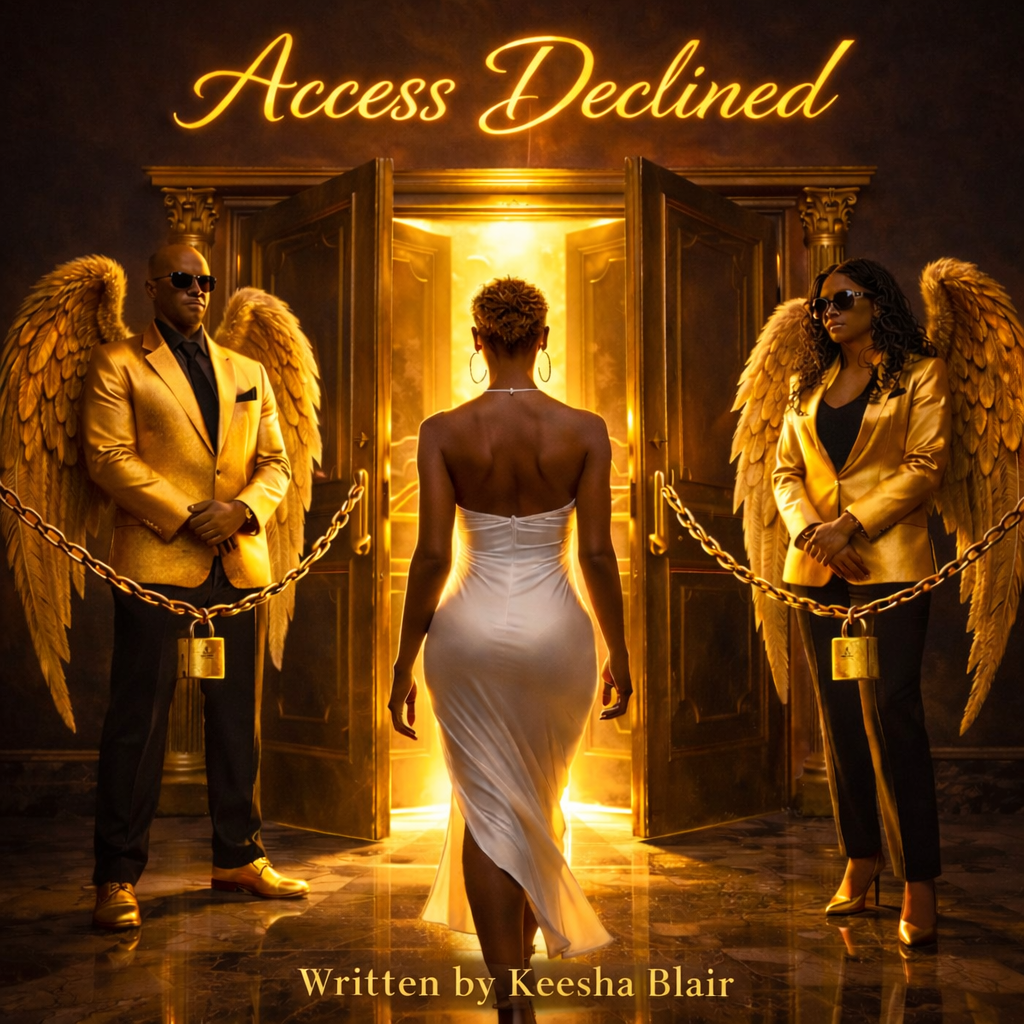
Keesha Blair Discusses Boundaries, Healing and the Message Behind Access Declined
There are songs that entertain, and then there are songs that invite listeners to pause, reflect, and see themselves differently. Keesha Blair’s latest single, Access Declined, firmly belongs in the latter category. Blending cinematic soul-pop with heartfelt storytelling, the release explores the quiet strength that comes from choosing peace, protecting your well-being, and recognising that love and healthy boundaries can exist together.
Rather than approaching boundaries through anger or confrontation, Keesha presents them as an expression of self-respect, emotional clarity, and personal growth. Through Divine Purpose Music, she continues to create message-led songs that encourage healing, reflection, and empowerment while remaining emotionally engaging and musically uplifting.
In this interview with FVMusicBlog, Keesha opens up about the inspiration behind Access Declined, the personal journey that shaped the song, and why learning to honour your own peace can be one of the most powerful decisions you ever make.
Congratulations on the release of Access Declined. The title immediately captures attention. At what point did you realise those two words perfectly summed up the message you wanted to share, and what do they mean to you personally?
Thank you so much. The words “Access Declined” felt right because they carried the message in a simple, clear way. They captured the moment when clarity replaced confusion and self-respect became the decision.
There have been situations where a relationship or connection had reached a clear ending, whether through conflict, distance, or separation. Then, after time passed, the other person would return as though nothing had happened. That often placed me in a confusing position because honoring the separation could be misread as being petty, unforgiving, or unwilling to move forward, when I was really respecting what had already taken place.
In the past, I would sometimes allow access again, only to encounter the same issue that caused the disconnect in the first place. “Access Declined” came from the moment I stopped betraying myself in that cycle. There is a lightness that comes with deciding the revolving door no longer exists.
To me, “Access Declined” means protecting the parts of myself that require peace, respect, alignment, and reciprocity. Love can still exist while access changes. It is about honoring my own well-being and choosing who and what is allowed to reach the most sacred parts of me.
One of the central ideas behind the single is that boundaries and love can exist together. Why do you think so many people struggle to see boundaries as an act of self-respect rather than rejection?
Many people, myself included, were conditioned to connect unconditional love with unconditional access. I was taught to see my boundaries as mean or wrong instead of recognizing them as a healthy part of self-respect.
Now, when someone discourages me from honoring my boundaries, I pay attention. It invites me to reflect on whether they were more comfortable when I had fewer boundaries, and why. That awareness has been important for my growth.
A boundary can feel like a loss of love to someone who was used to unlimited access. For me, it has become an expression of self-respect. I have learned that my boundaries do not need to be talked down, explained away, or approved by anyone else in order to be valid.
I believe boundaries help love become healthier because they show where care, respect, and reciprocity are needed. Love can be present, but access requires alignment. “Access Declined” speaks to that balance. You can care deeply for someone while still choosing your peace, emotional safety, and self-respect.
Rather than focusing on conflict, Access Declined explores the quiet strength that comes from choosing peace. How did you approach writing lyrics that feel empowering without becoming confrontational?
I wrote the song from the place where I had already received clarity. My boundaries were challenged after the decision was made, and that gave the lyrics a calm strength. The power came from standing in what I already knew.
I wanted the song to feel grounded, certain, and emotionally controlled. Anger can carry a message, but for me, peace carried the power in this release. The empowerment comes from honoring what is already clear and allowing the boundary to remain steady without needing to become confrontational.
Your music often encourages listeners to pause and reflect on their own lives. As you were creating this release, were there any moments where writing the song challenged your own thinking or helped you see a situation differently?
Yes. Writing “Access Declined” helped me understand that protecting my peace is part of self-responsibility. It challenged me to look at where I had offered unhealthy access out of habit, guilt, or love, even when something no longer felt aligned.
The song helped me separate love from access, and that was an important realization for me. I can love, forgive, understand, or release someone while still honoring what my peace requires. That shift helped me see boundaries with more compassion, because they became less about pushing someone away and more about returning to myself.
The production creates a calm, atmospheric space that complements the song’s message beautifully. How important was it for the sound of Access Declined to evoke a feeling of peace as well as strength?
It was very important. I wanted the sound to reflect the emotional place the song came from. “Access Declined” carries a strong message, but the strength is calm, grounded, and clear.
The smooth R&B and soul influences helped create warmth, while the atmospheric production gave the lyrics space to breathe. I wanted listeners to feel the peace behind the boundary. The sound needed to carry both calm and certainty because that is the heart of the song.

Throughout your catalogue, your songs seem to form part of a much bigger conversation about healing, growth and emotional clarity. Do you see each release as a standalone story, or are you gradually building a larger body of work with a shared purpose?
I see each release as its own story, but they are all connected through a shared purpose. Each song holds a different piece of healing, self-honesty, empowerment, emotional grounding, or personal transformation.
Through Divine Purpose Music, I am building a body of work that supports reflection and self-connection. Some songs speak to grief, some to truth, some to boundaries, some to integration and self-acceptance, and some to self-love. Together, they create a larger conversation about returning to yourself with more compassion, clarity, and power.
Many listeners are learning to protect their energy in a world that constantly demands their attention. What message do you hope someone takes away from Access Declined if they are currently struggling to put healthy boundaries in place?
I hope they take away the reminder that their peace, energy, and clarity are priceless.
Setting boundaries can feel difficult, especially when love, history, or loyalty are involved. Healthy boundaries help us stop abandoning ourselves in order to maintain connections that drain us. “Access Declined” is a reminder that choosing your own well-being is an act of self-care, self-respect, and emotional protection.
Divine Purpose Music has become closely associated with intentional, message-led songwriting. How do you balance creating music with a meaningful purpose while ensuring it still connects emotionally and musically with listeners?
For me, the balance begins with honesty. The message has to come from something real, but the music still has to feel good, move naturally, and create an emotional experience.
I think about how the song will land both emotionally and musically. The lyrics, vocal direction, production, and atmosphere all need to work together so the message can be felt as well as understood.
With Divine Purpose Music, my goal is to create songs that feel intentional and emotionally grounding while still being soulful, memorable, and easy to connect with.
Your music deserves more than $0.004 per stream… Get our FREE guide – instant download.
Looking back on your journey as both a songwriter and creative director, how do you feel Access Declined represents your growth as an artist compared with your earlier releases?
“Access Declined” represents growth because it feels clear, direct, and emotionally settled. It shows my evolution in how I approach boundaries, healing, and empowerment through music.
As a songwriter and creative director, I am becoming more confident in letting the message lead while shaping the sound and visuals around it. With this release, I also felt growth in the visual direction. The imagery became more aligned, polished, and intentional, which helped support the emotional world of the song.
This release reflects my ability to hold calm and strength together. It feels like a continuation of my healing-centered work, with a deeper sense of clarity, self-respect, and creative confidence.

If listeners could take away just one lasting feeling after hearing Access Declined, what would you hope stays with them long after the final note has faded?
I hope they feel peaceful and empowered. I hope the song leaves them with a sense of unwavering self-authority.
I want listeners to feel that their boundaries are valid, their peace matters, and their access is sacred. If “Access Declined” helps someone stop negotiating with unhealthy relationships, patterns, or situations that disturb their spirit, then it has served its purpose.
https://Divinepurpose.music
https://www.facebook.com/DivinePurposeMusicByKeesha/
https://www.instagram.com/divinepurposemusicbykeesha/
https://www.tiktok.com/@dpmkeeshablair
FVMusicBlog June 2026
If you would like to submit your music for a playlist or review consideration, please submit here.
Also! Check out the awesome other artists on the ‘Discovered This Week’ Playlist!


Leave a Reply